

by Dwight Alleyne
When you think about yeast, what’s the first thing that comes to mind? Your thoughts are probably about baking bread and not likely about your dog’s skin. However, yeast infections can be a common skin ailment affecting your furry friend. This article will assist you in recognizing five telltale signs your dog may have a yeast infection and the most effective way to treat it.
-
Hair Loss With Red Skin
Your dog can have hair loss for several reasons. Common causes include allergies, a hormonal imbalance such as a malfunctioning thyroid or a skin infection. These conditions can make the skin more favorable for a yeast infection, leading to reddening of the skin.
-
Greasy, Scaly Skin
If you pet your dog and notice flaky skin that feels oily, there may be a yeast infection in play. Underlying conditions such as allergies cause inflammation of the skin, which causes the glands underneath the skin to over-secrete oil and create a favorable environment for yeast overgrowth. This inflammation also causes the skin to shed excessively, leading to the flaky skin you might observe.
-
Itchy Skin
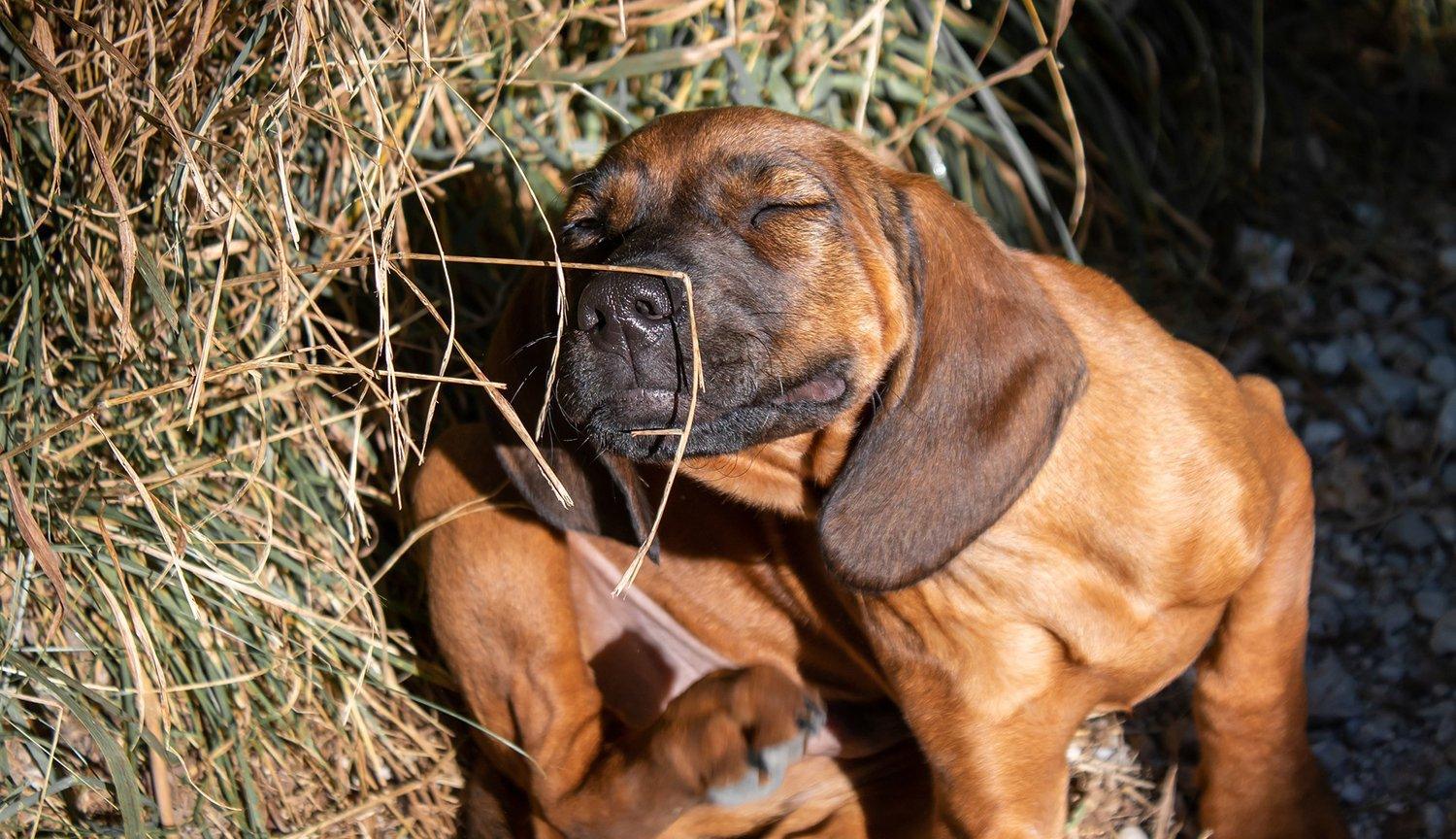
If you find your dog seems to be itchy, there’s a possibility he’s suffering from a yeast infection. This especially should be considered if the itching occurs with the first two signs mentioned. Overgrowth of yeast in the skin will trigger an itch response in many dogs, which is evident with your dog licking and scratching his skin excessively.
-
A Foul Odor From the Skin
With yeast infections, your dog may have a highly offensive odor coming from their skin. The smell is distinct and many describe it as being similar to corn chips. You may notice despite multiple baths, the smell will persist or recur a short time afterward.
-
Thickened, Pigmented Skin
A yeast infection can cause a significant amount of inflammation in your dog’s skin. If it goes on too long, the skin can thicken and become darker — the inflammation can cause pigment cells to be overactive. Often the skin will have a leather-like feel to it, which can be uncomfortable for your pet.
How To Treat Your Dog’s Yeast Infections
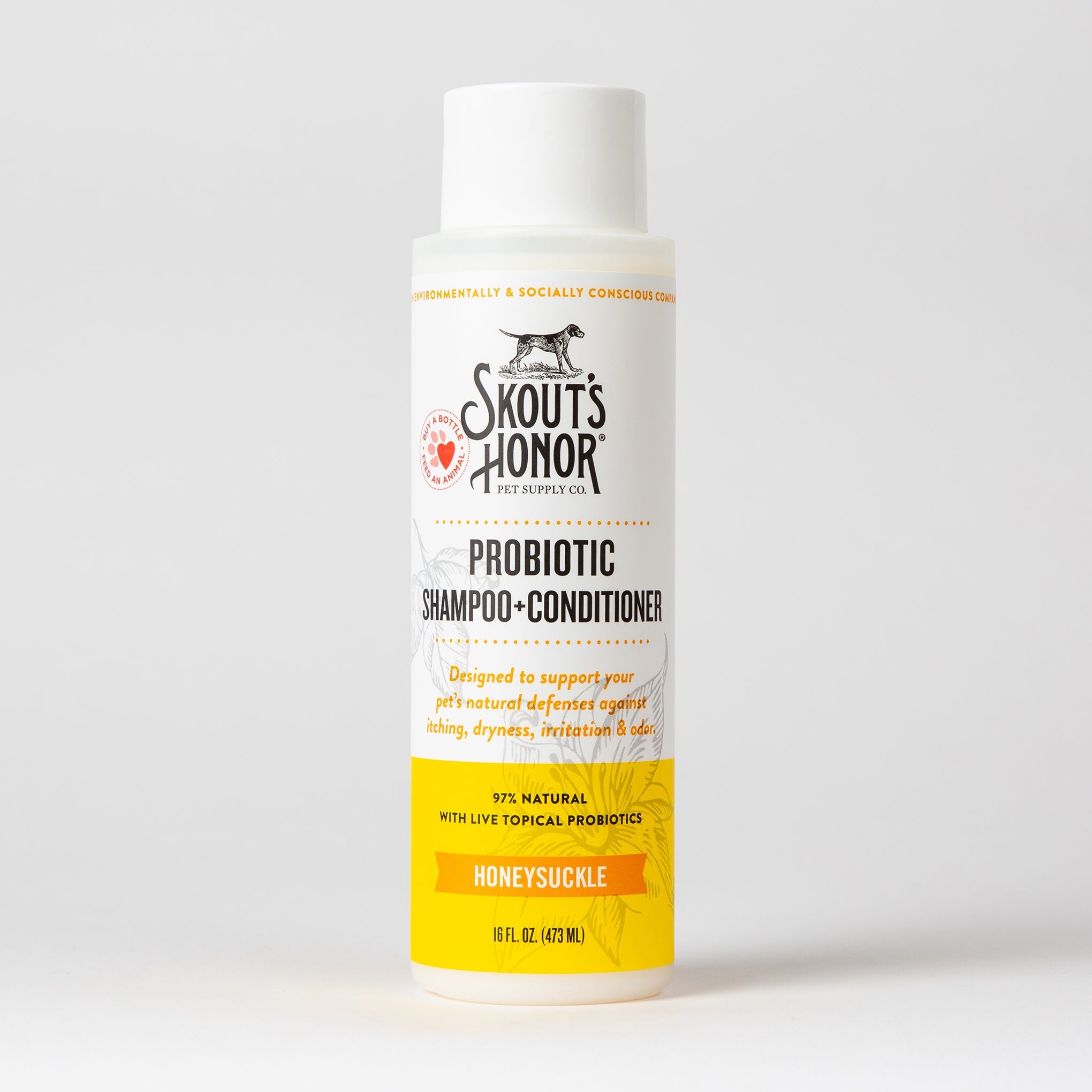
As you can see, most of the problems mentioned come down to an overgrowth of yeast in the skin. What’s an effective treatment? In addition to talking to your vet, use grooming products that are scientifically proven to stop and prevent overgrowth of yeast in the skin.
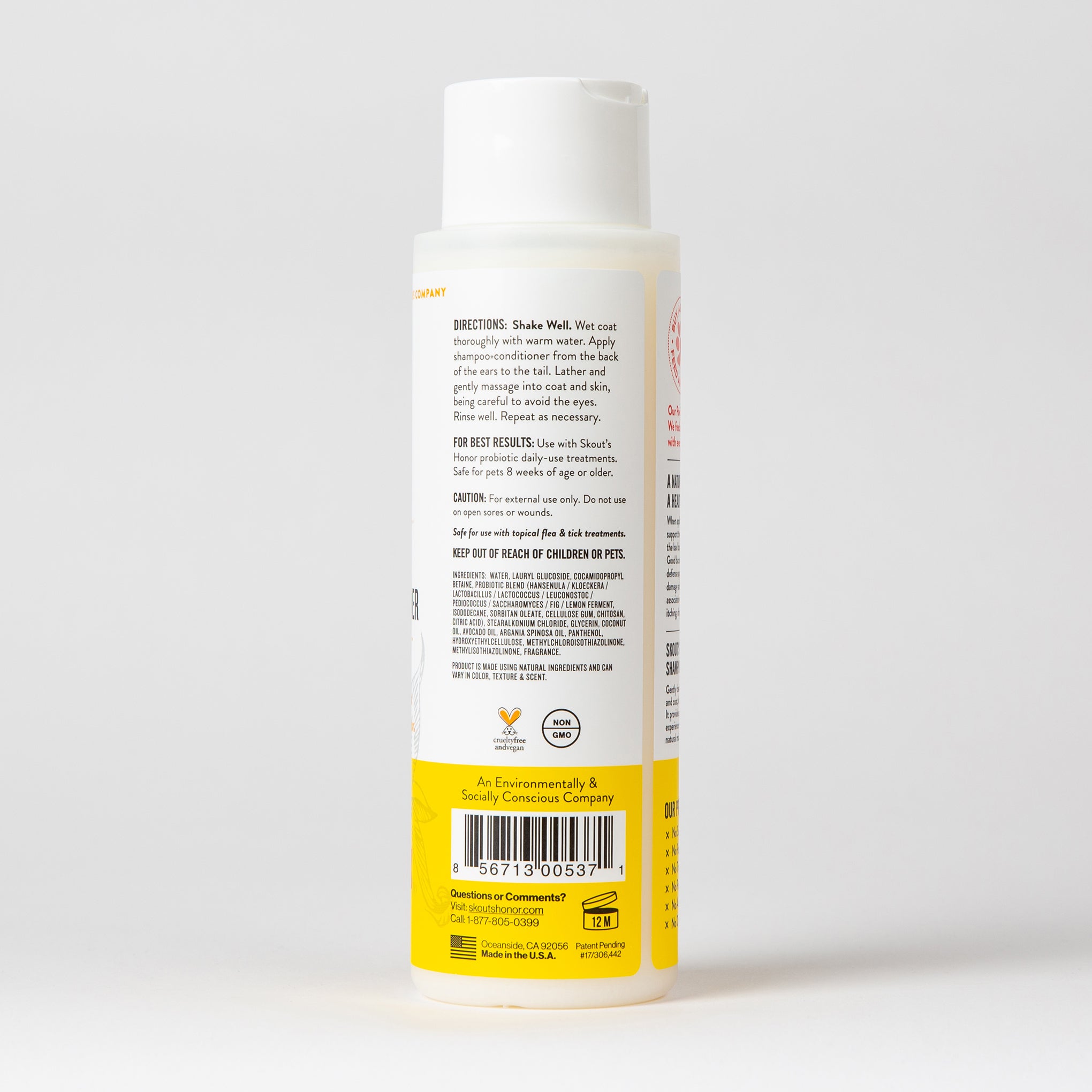
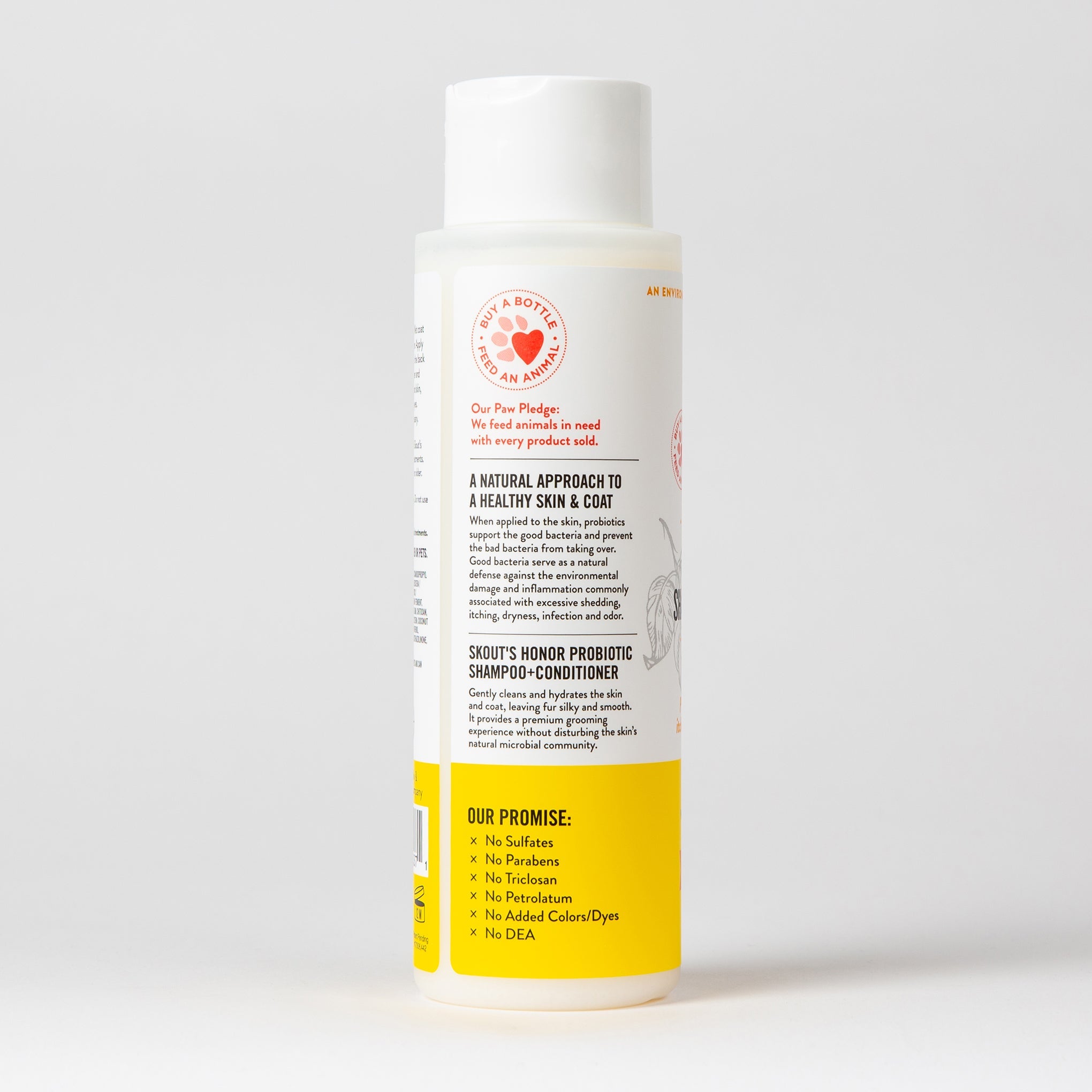
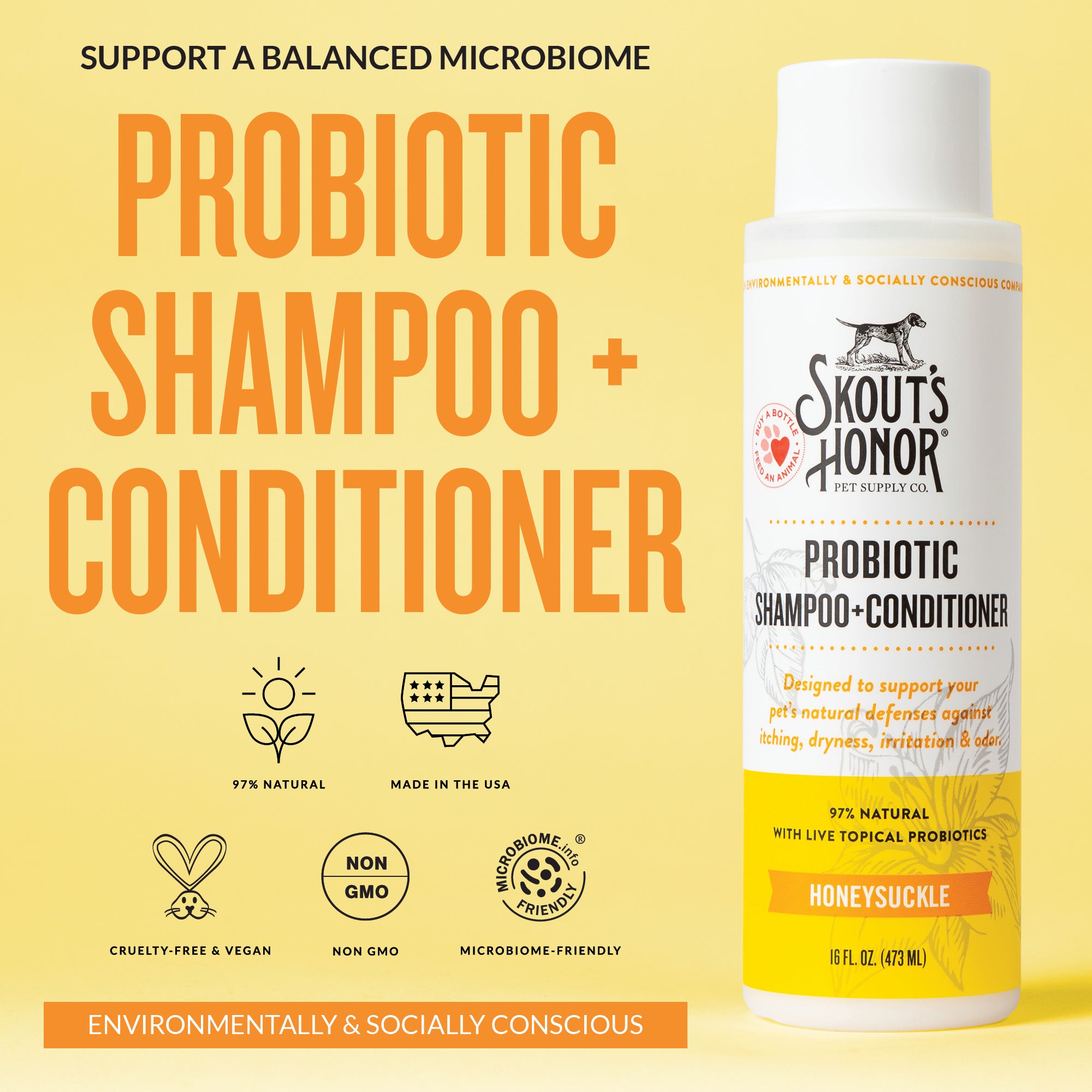
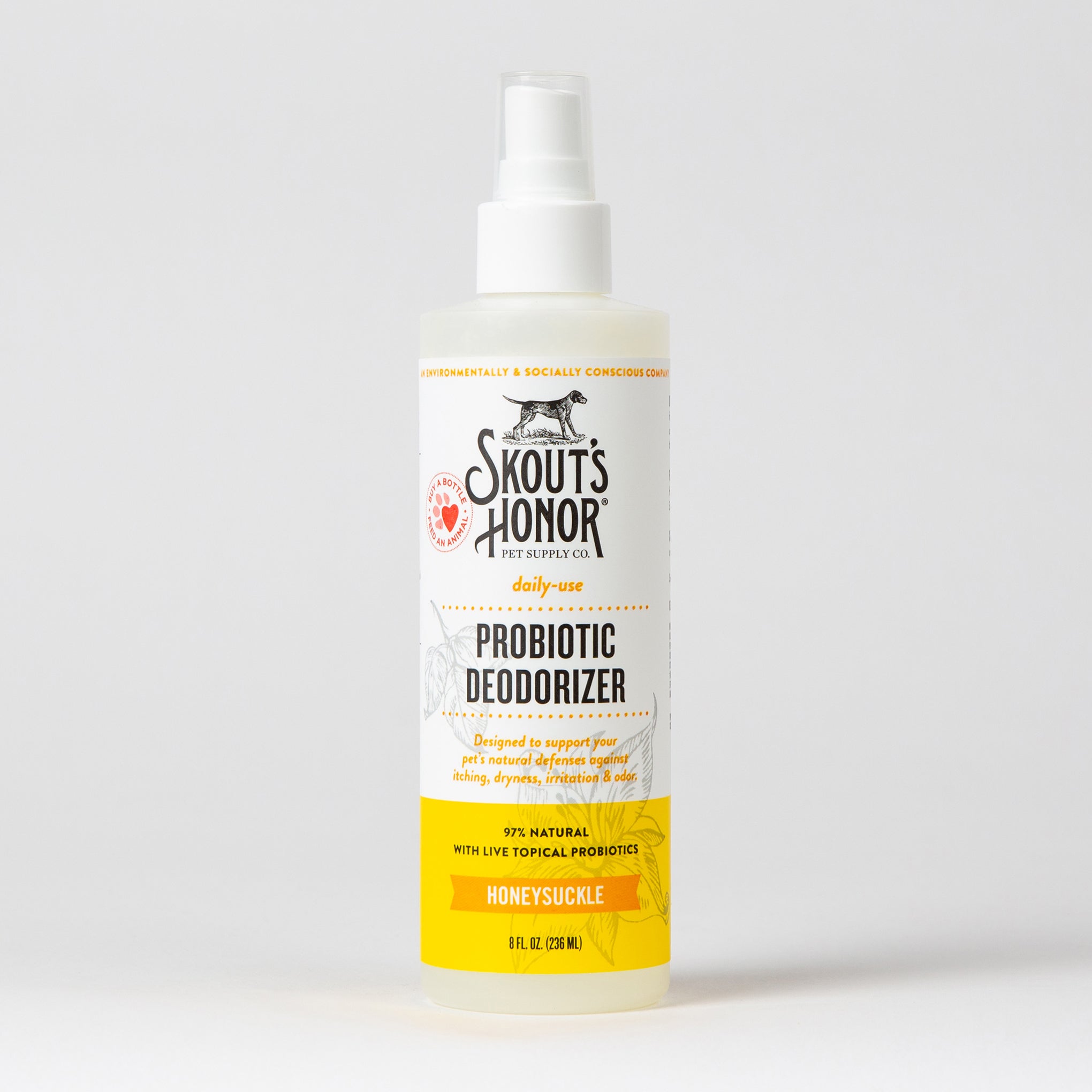
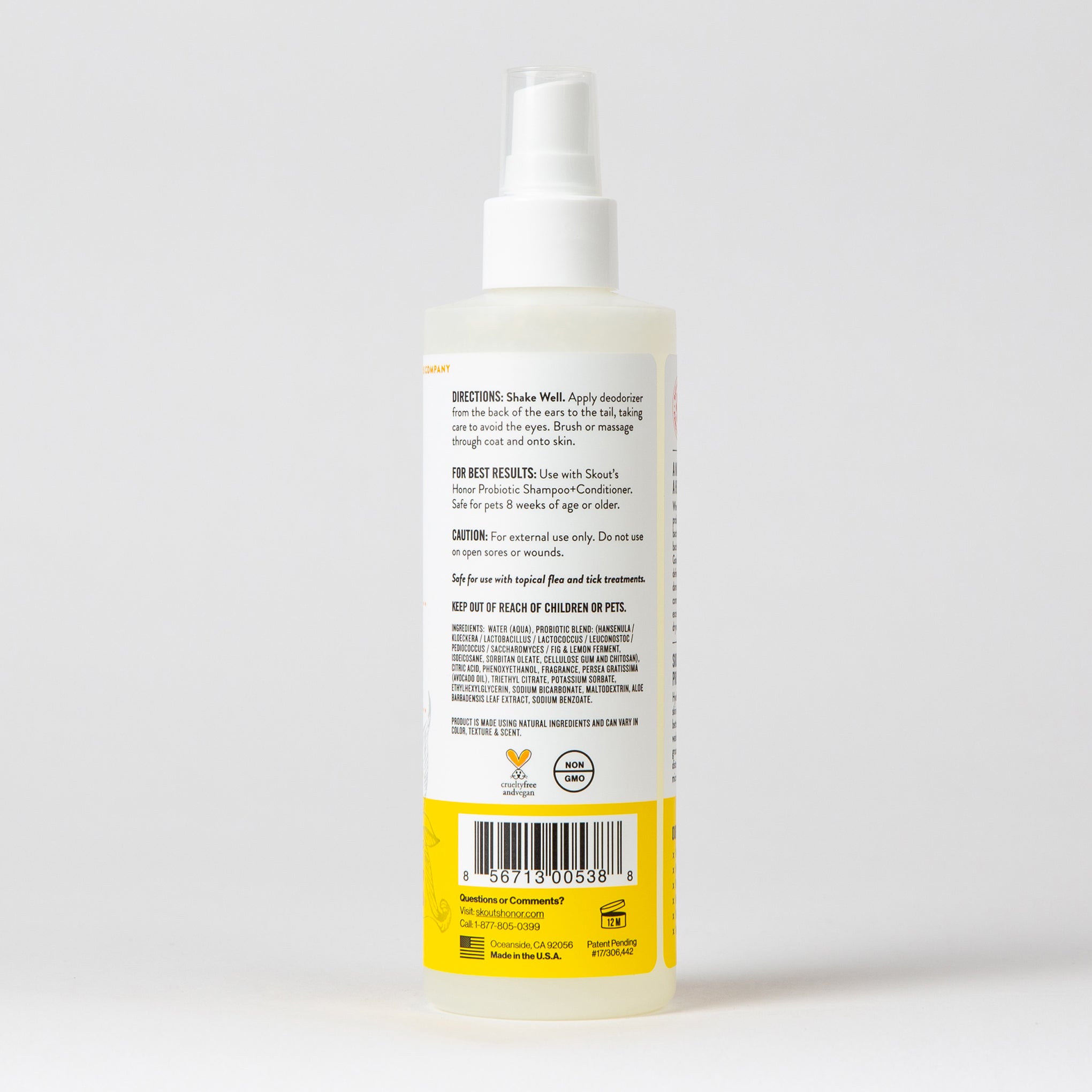
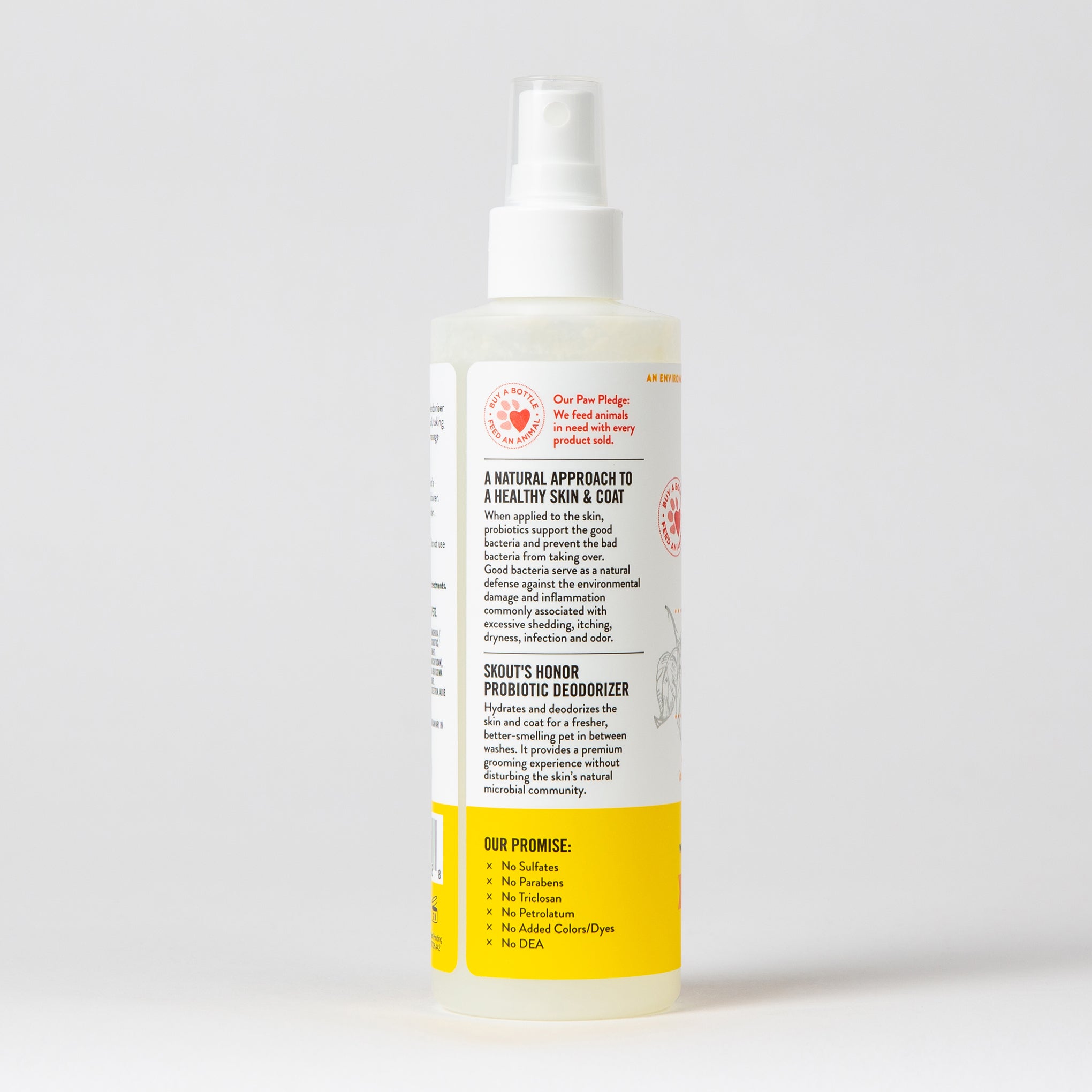
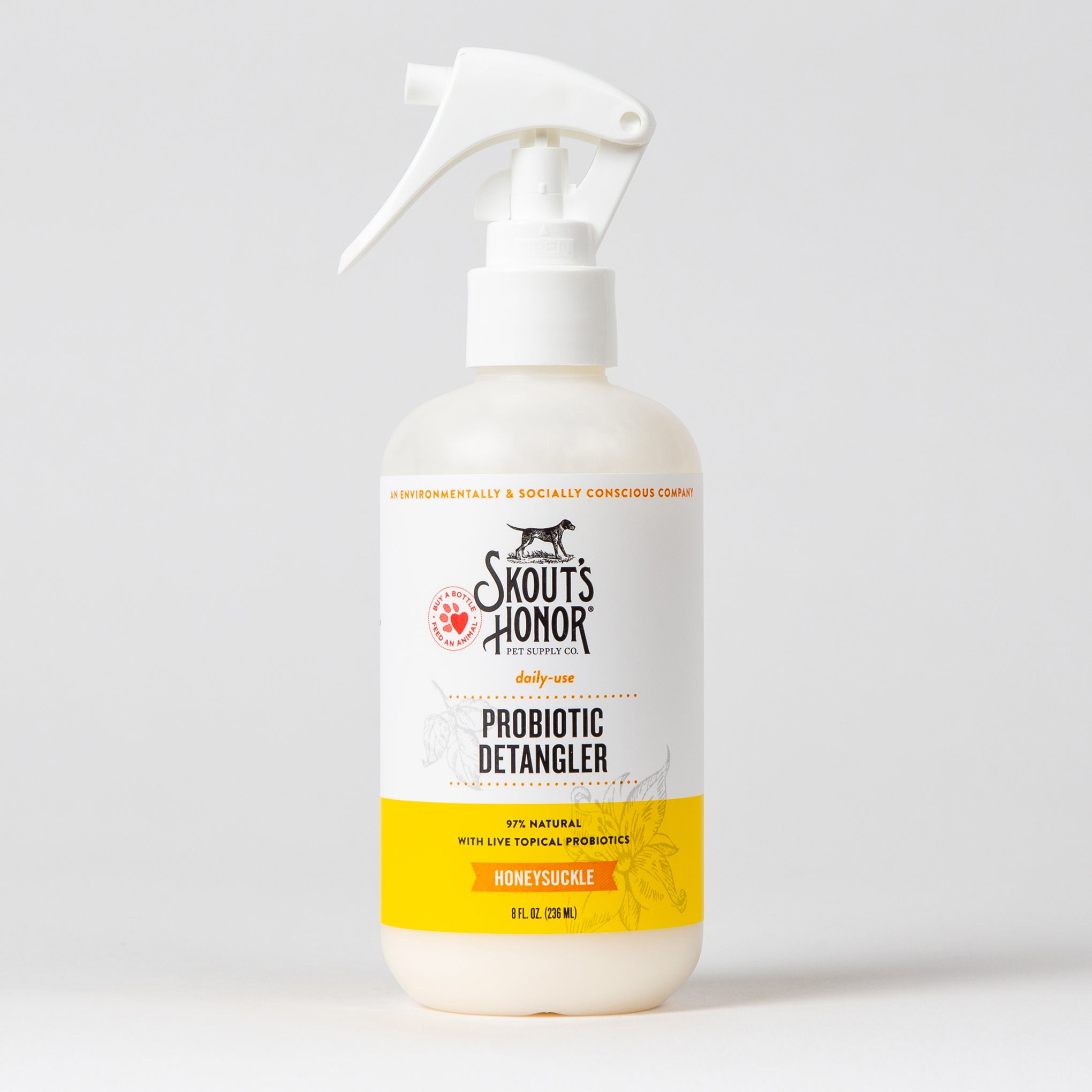
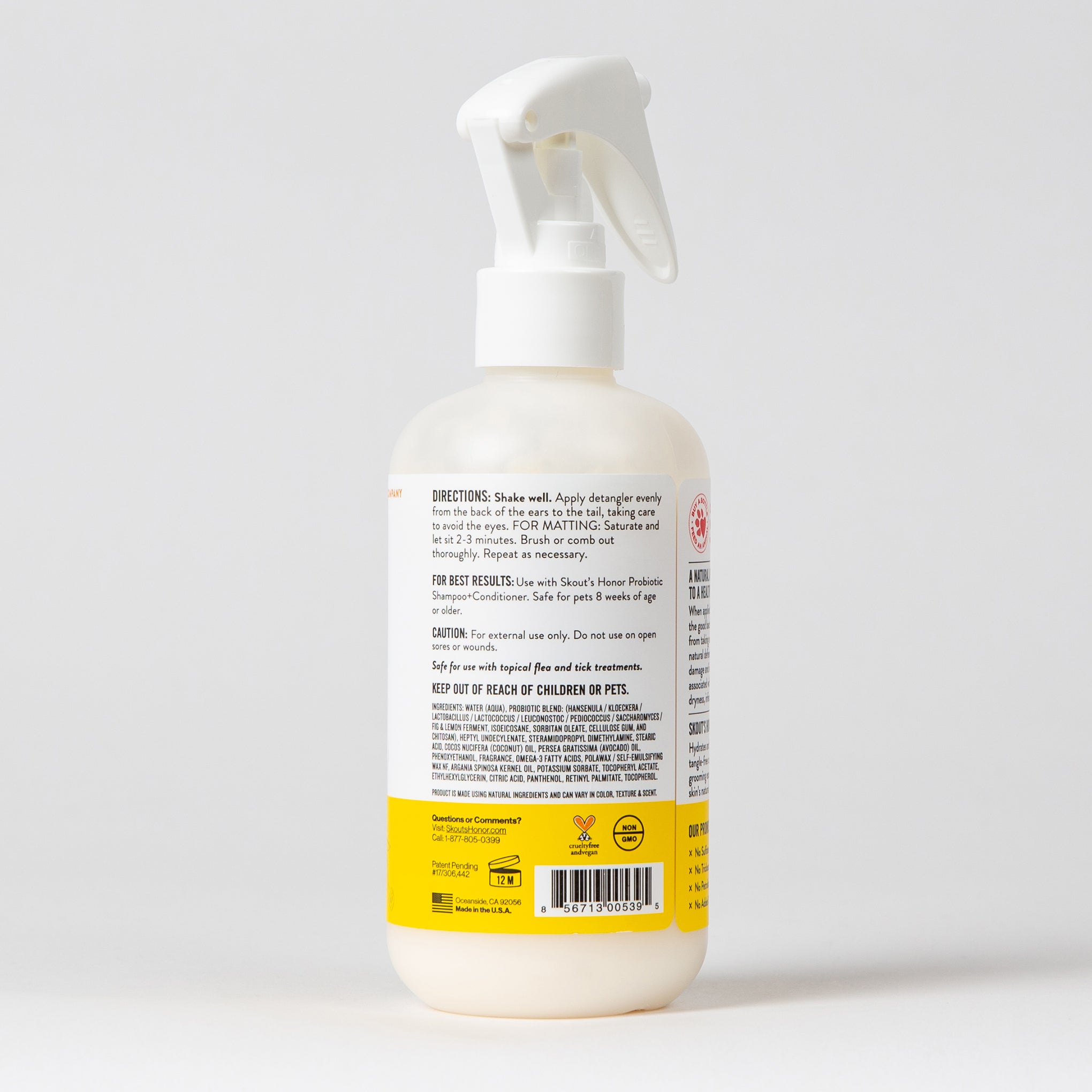
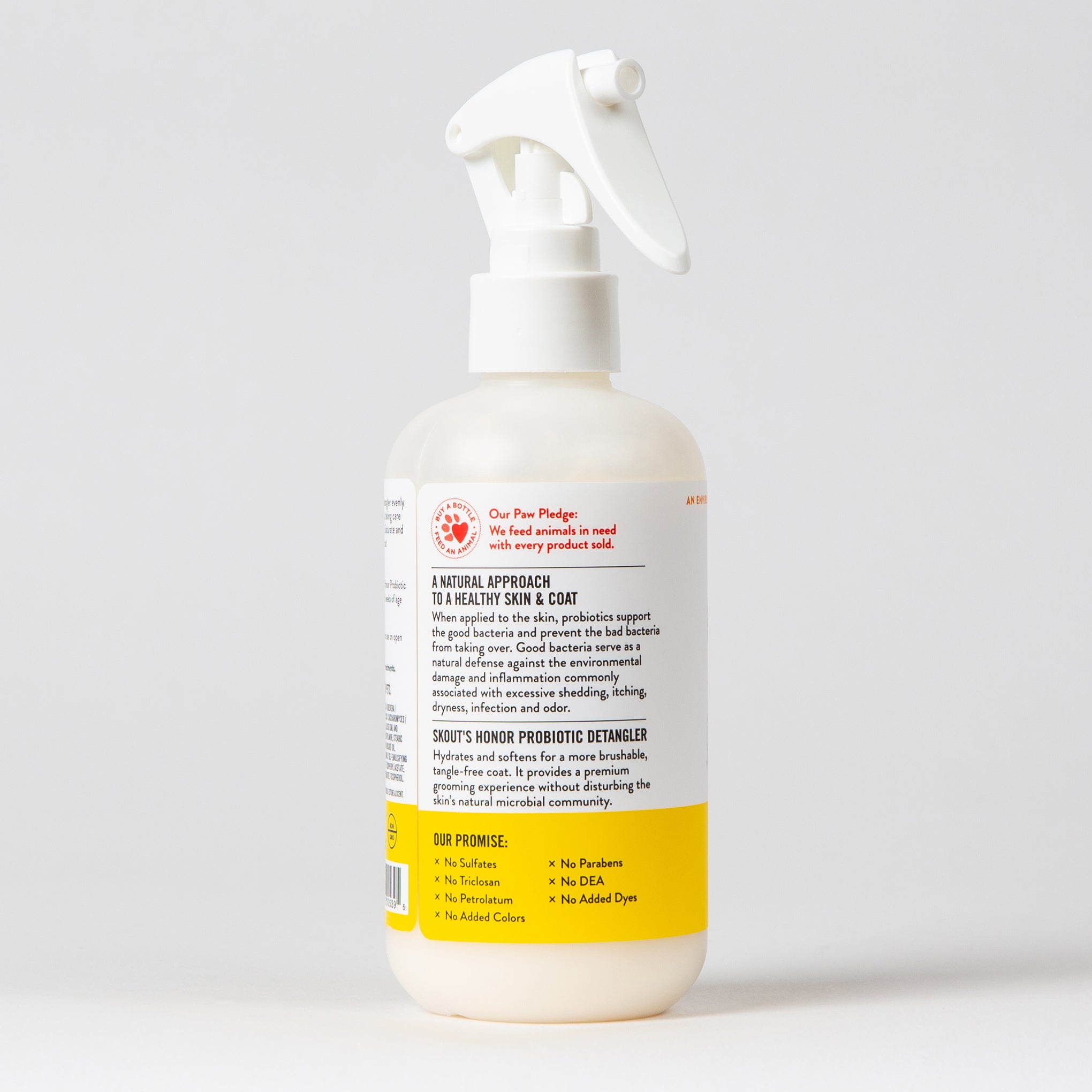
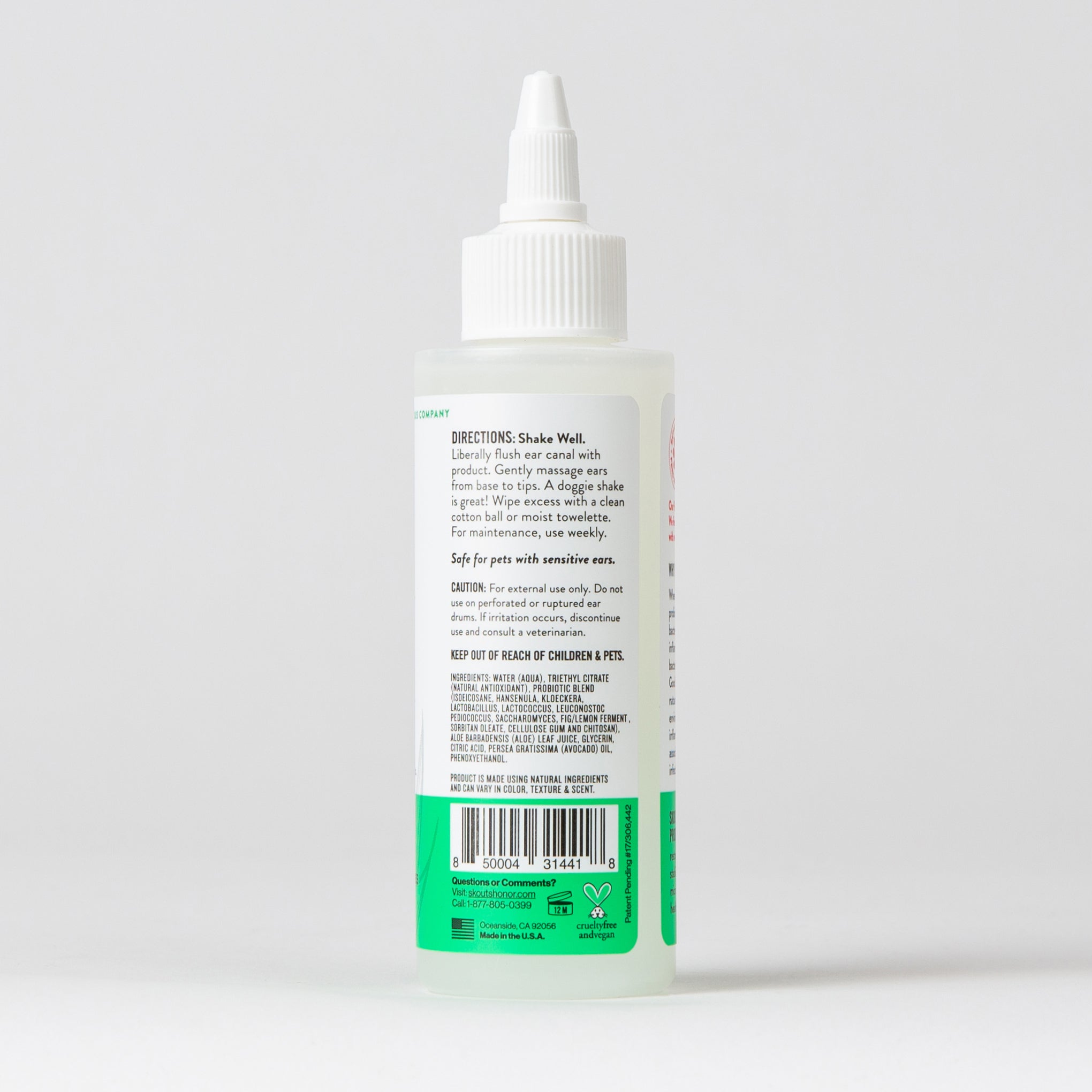
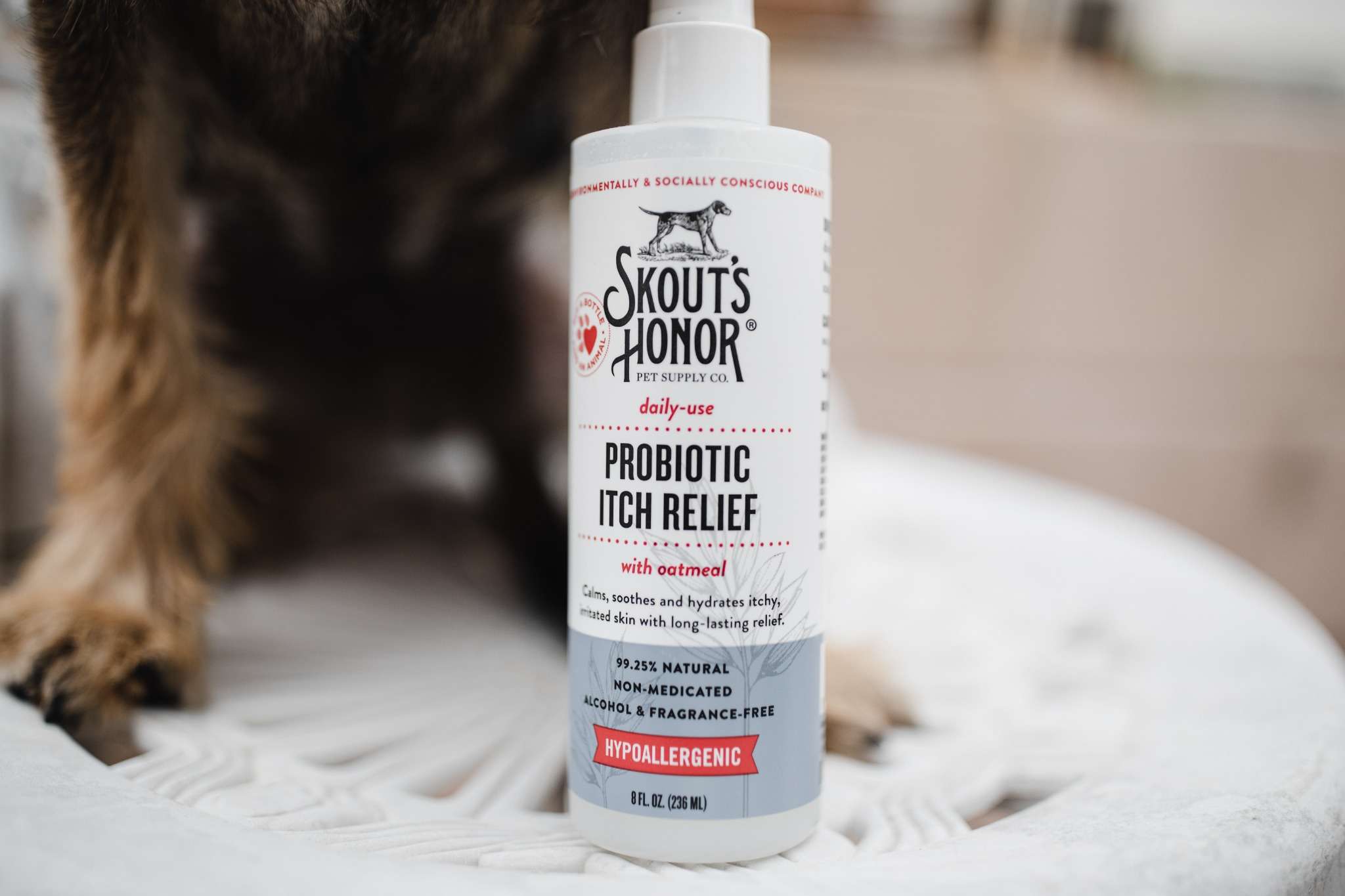
Fortunately, Skout’s Honor probiotic blend has been shown to inhibit and protect the skin from yeast infections naturally. This is good news, as it reduces the need for commonly prescribed medical options that may have negative long-term effects on your pet. Yeast overgrowth can have significant impacts on your dog’s skin, leading to great discomfort, but you can rest comfortably knowing that Skout’s Honor probiotic essentials can help avoid this and aid your dog in living with healthier skin.
Dr. Dwight Alleyne is a veterinarian who has over a decade of experience treating cats and dogs. He is also the creator of the Animal Doctor Blog, where he provides general health advice and pet product reviews.
Sources
The Canadian Veterinary Journal - Canine Malassezia Dermatitis
Animal Dermatology Clinic - Yeast Skin Infection





Science Says: Skout's Honor Topical Probiotics Promote Cat and Dog Skin Health, Prevent Yeast Growth and Treat Skin Ailments
Pet Horoscopes: Gemini Season Brings Mercury Retrograde Along With It