


How do you clean dog ears? Here's everything you need to know about how to clean dogs ears at home:
1. Gather Your Supplies
Before you begin, gather the necessary supplies:
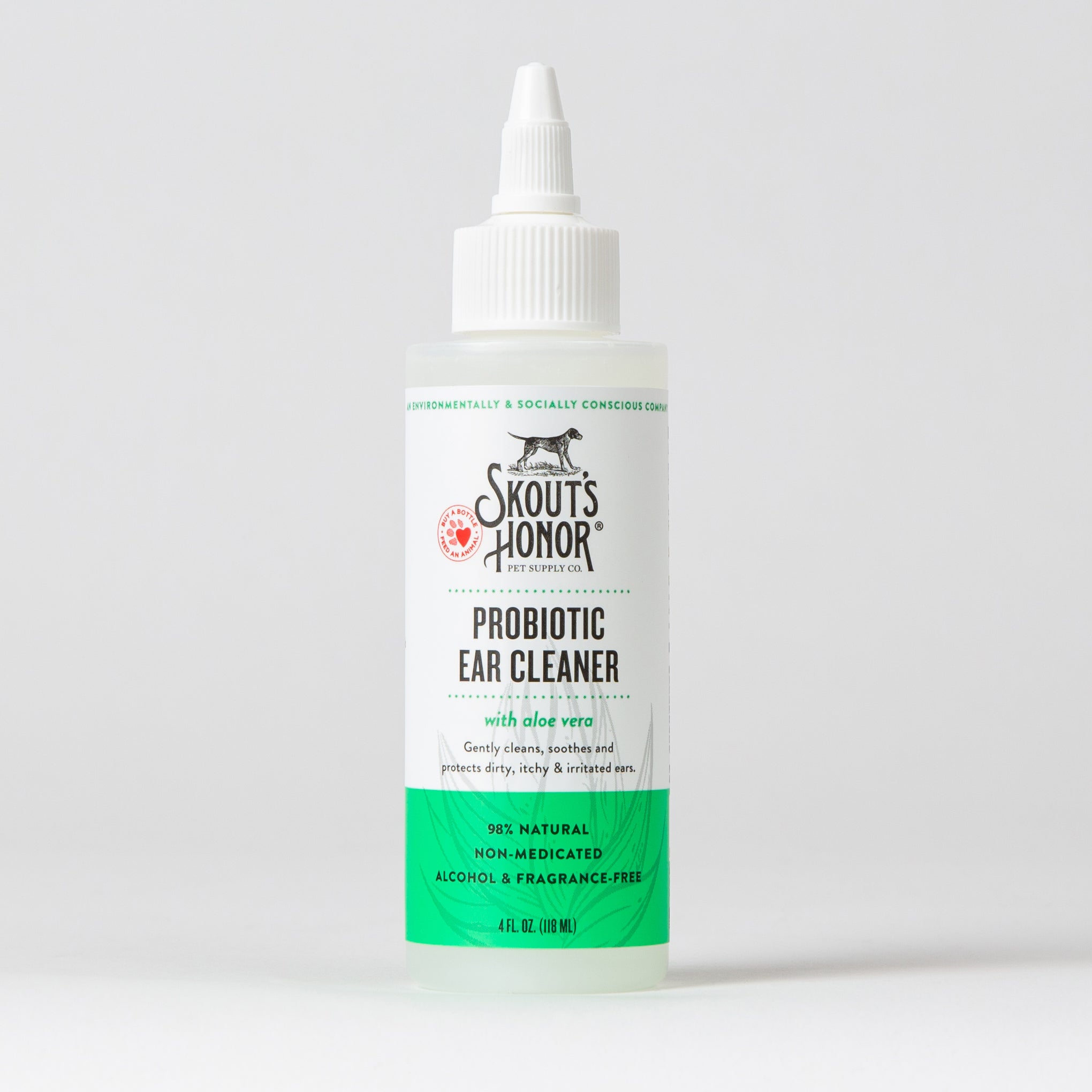
- Dog-specific ear cleaner (available at pet stores or recommended by your veterinarian)
- Dog-specific wipes, cotton balls, or gauze pads
- Soft towels or tissues
- Treats for positive reinforcement
2. Check for Signs of Ear Problems
Dog ear issue signs can be subtle, but before cleaning, inspect your dog's ears for any signs of irritation. Look for redness, swelling, foul odor, discharge, or excessive wax buildup. If you notice any of these symptoms, consult your veterinarian before cleaning.
3. Choose the Right Time and Place
Find a quiet and calm environment for ear cleaning to minimize distractions and help your dog feel more comfortable. Choose a time when your dog is relaxed, such as after a walk or play session.
4. Gently Examine and Prep
Start by gently examining your dog's ears for dirt or debris visible on the outer-ear flap (pinna). Use a damp cloth or wipe to remove any visible dirt before applying ear cleaner.
5. Apply the Ear Cleaner
Follow the instructions on the ear cleaner bottle. Typically, you will gently lift your dog's ear flap and squirt a small amount of the cleaner into the ear canal. Massage the base of the ear gently for about 20-30 seconds to help loosen debris and distribute the cleaner.
6. Allow Your Dog to Shake
After massaging, allow your dog to shake their head. This helps to dislodge any loosened debris and allows the cleaner to reach deeper into the ear canal.
7. Wipe Away Debris
Use a cotton ball, wipe, or gauze pad to gently remove the debris and excess ear cleaner from the inner ear flap and visible parts of the ear canal. Avoid using cotton swabs (Q-tips) as they can push debris further into the ear canal and potentially damage the eardrum.
8. Repeat if Necessary
If your dog's ears are particularly dirty or if recommended by your veterinarian, you may need to repeat the cleaning process. Always use fresh cotton balls or pads for each ear to prevent cross-contamination.
9. Reward and Positive Reinforcement
Throughout the process, offer your dog treats and praise to make ear cleaning a positive experience. This helps create a bond of trust and reduces anxiety associated with ear cleaning.
10. Schedule Regular Ear Checks
Make ear cleaning a regular part of your dog's grooming routine, especially if they are prone to ear issues or have floppy ears that trap moisture. Your veterinarian can recommend an appropriate cleaning schedule based on your dog's needs.
Conclusion
By following these steps, you can effectively clean your dog's ears at home while promoting their ear health and comfort. Remember, if you notice any signs of eardistress or if your dog displays discomfort during cleaning, consult your veterinarian promptly for further evaluation and treatment.
Relief for Itchy, Smelly Dog Skin Starts with the Skin Microbiome
The Ultimate Guide to Cleaning Your Dog's Paws