


Is there anything more joyful than watching your dog paddle through the water with their tail wagging like a propeller? Dog swimming is not just fun – it’s also a great way to keep your pup active, fit, and cool during hot months. Whether you're considering a dog swimming pool at home or searching for the best dog swim tail accessories, we’ve got you covered.
Can dogs swim in chlorine pools?
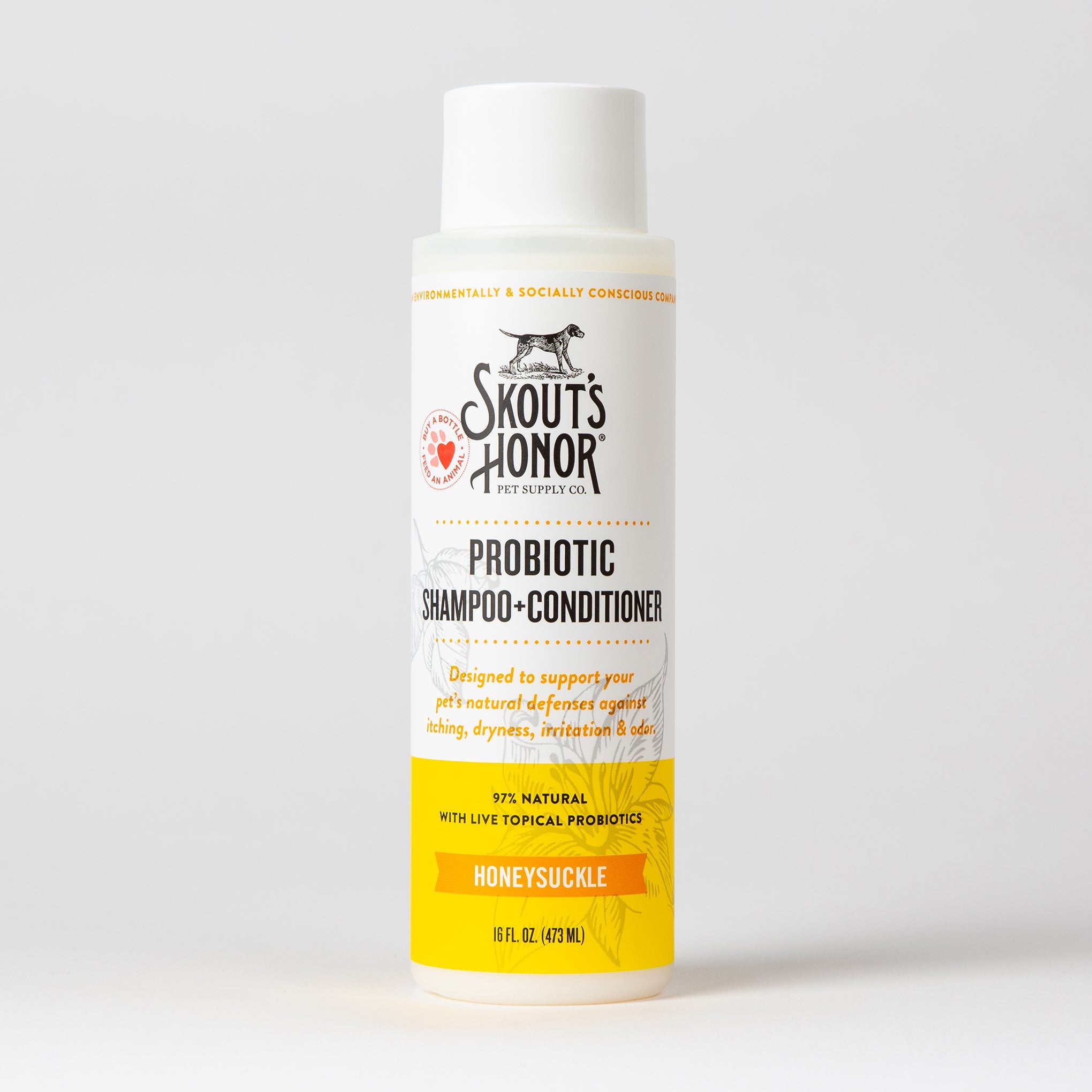
Yes, with a good rinse afterward. Wash off chlorine with Skout's Honor Probiotic Shampoo + Conditioner, a Microbiome-Friendly Certified 2-in-1 made with live probiotic kefir that cleans without disrupting your dog's skin microbiome. It's gentle enough for weekly use, which especially matters for dogs who are frequent swimmers.
Chlorine can dry out skin and coat, just like it does for us. It can also weaken the ear's natural defenses, leaving water dogs more prone to ear trouble (Nextmune).
- Show your dog the steps and the way out before they swim.
- Keep sessions short and take shade breaks.
- Rinse with fresh water right after; bathe with a dog shampoo when coats get crunchy.
- Dry ears thoroughly (see the ear section).
Can dogs drink pool water?
No. Bring a bowl of fresh water so they're not tempted. Swallowing too much water while playing can also cause a rare but dangerous condition called water intoxication.
Water intoxication, or hyponatremia, happens when blood sodium drops dangerously low after a dog takes in too much water. Risk rises with diving and fetching, and with gulping water right after a swim. Small dogs can show signs faster (AKC Pet Insurance).
- Limit long fetch-and-dive sessions.
- Give regular breaks from swimming.
- Don't let your dog gulp large amounts of water right after swimming.
- Wobbly, lethargic or vomiting after a swim? See a vet immediately.
How do I clean my dog's ears after swimming?
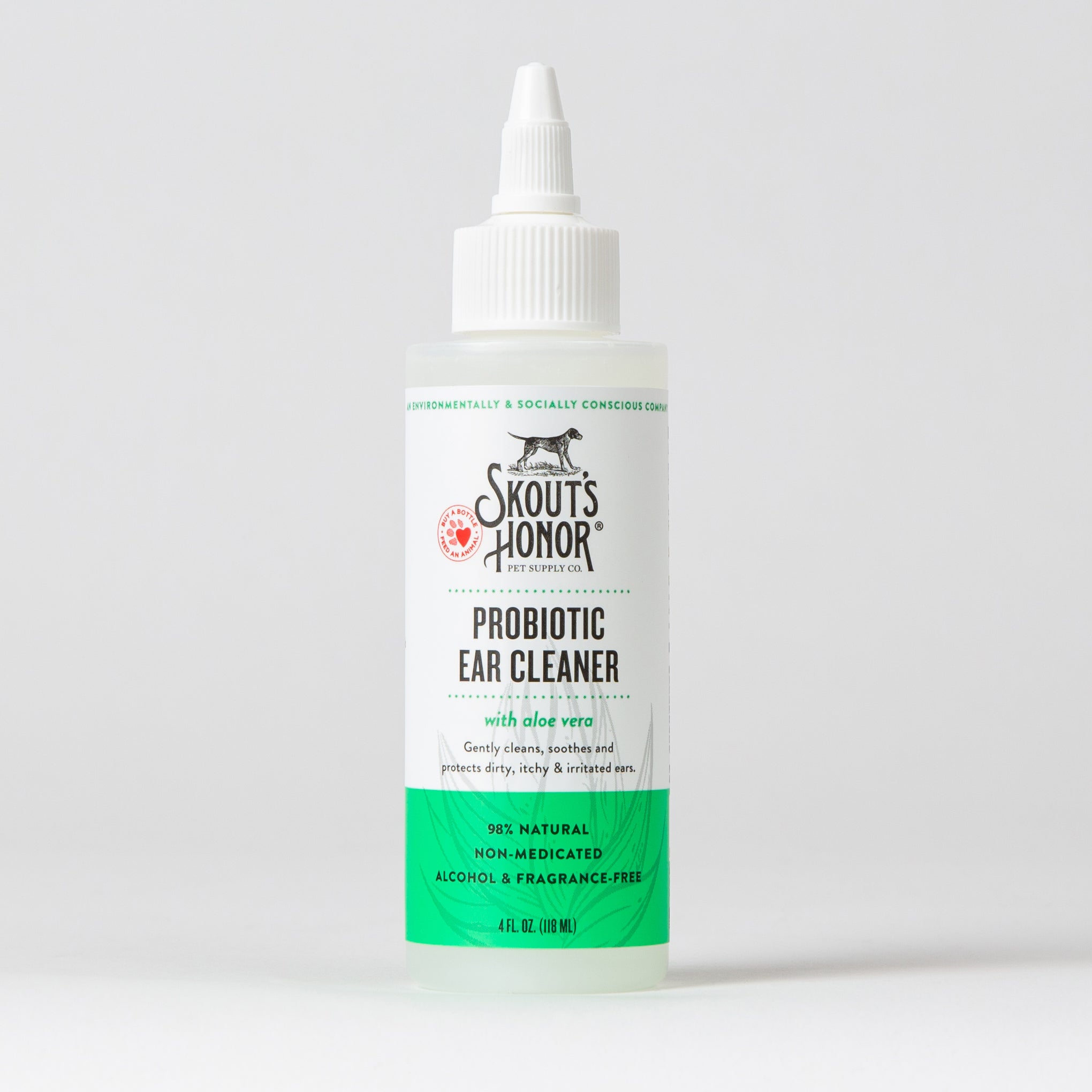
Flush and dry them with Skout's Honor Probiotic Ear Cleaner, a non-medicated, Microbiome-Friendly Certified cleaner with live topical probiotic kefir and aloe. It gently cleans dirty, itchy, irritated ears without disrupting their natural balance. It's an easy step after every swim, especially for floppy-eared dogs.
Nationwide pet insurance data ranks ear infections as the second most common reason dogs visit the vet, behind skin conditions, and moisture in the ear is one of the most common culprits (Dogster).
- Towel-dry the outer ear and ear flap.
- Lift the ear flap and flush the canal with Probiotic Ear Cleaner.
- Massage the base of the ear for about 30 seconds.
- Step back and let your dog shake. You will get wet.
- Wipe visible debris with a cotton ball. Never put a cotton swab in the canal.
Redness, odor, discharge or constant head-shaking means a vet visit.
Why are my dog's eyes red after swimming?
Chlorine, salt and sand can irritate eyes. Flush them after the swim with Skout's Honor HydroClear™ Eye Wash, a gentle, non-medicated hyaluronic acid formula that clears away debris, allergens and post-swim irritation while hydrating. It's safe for dogs and cats* and made for daily use.
Apply 2–3 drops per eye, then gently wipe away gunk around the eye. If redness, squinting or discharge lasts more than a day, call your vet.
Is it safe for dogs to swim in lakes and ponds?
Often, yes, but check for blue-green algae first. After any lake swim, rinse with fresh water and bathe with Skout's Honor Probiotic Shampoo + Conditioner. If you suspect algae exposure, rinse immediately and call your vet.
The CDC says blue-green algae (cyanobacteria) can produce some of the most powerful toxins in nature, and dogs are especially at risk because they'll jump into water that looks or smells bad (Global News, citing CDC). The CDC and EPA both warn you can't tell a toxic bloom from a harmless one by looking (Trupanion).
Skip the swim if you see:
- Water that looks like spilled paint, pea soup or scum
- Posted algae or water-quality advisories
- Dead fish along the shoreline
What water temperature is safe for dogs to swim in?
Very cold water can trigger "limber tail," also called swimmer's tail. If your dog's tail suddenly hangs limp after a swim, call your vet. Once you get the all-clear, keep post-swim baths gentle with Probiotic Shampoo + Conditioner and lukewarm water.
Limber tail is a muscle injury at the base of the tail. It usually shows up within 24 hours of swimming in water that's too cold, and most tails recover with rest within a few days (Limber tail syndrome overview). It's most common in hunting and working dogs, and in young, overweight or unfit dogs (Vetster).
- A tail that hangs straight down or droops after a few inches
- Reluctance to sit
- Pain when the base of the tail is touched
How do I protect my dog's paws at the pool?
Pool decks are rough and hot. Moisturize pads after swim days with Skout's Honor Prebiotic Pet Balm, a 100% natural, Microbiome-Friendly Certified balm made with mānuka honey that soothes and hydrates dry paws. For irritated spots, Probiotic Hot Spot Hydrogel is a non-medicated gel that stays put to keep the area moist and protected.
- Do the 7-second test on hot decks: if you can't hold your hand there, it's too hot for paws.
- Try dog swim shoes on rough surfaces.
- Check paws after every swim day for scrapes or cracked pads.
- Deep cuts, bleeding or limping may call for a trip to the vet.
Do all dogs know how to swim?
No. A life vest is the safest first step for any new swimmer. Finish every session with a Probiotic Shampoo + Conditioner bath so first swims end with a good-smelling, comfortable dog.
Retrievers and water dogs usually take to it naturally. Short-legged, barrel-chested and flat-faced breeds like Bulldogs and Pugs often struggle to stay afloat. Even strong swimmers tire quickly.
- Start in shallow water with a well-fitted life vest.
- Support their belly until they paddle with their back legs.
- Keep sessions to a few minutes.
- Always show them the exit.
- Stay within arm's reach, every time.
Your post-swim kit
|
Product |
What it's for |
When to use |
|---|---|---|
|
Rinsing chlorine, salt and lake water from skin and coat |
After pool or lake days |
|
|
Cleaning wet ears |
After every swim |
|
|
Flushing chlorine, salt and sand from eyes |
After every swim |
|
|
Soothing dry pads after rough decks |
After swim days |
|
|
Keeping irritated spots moist and protected |
As needed |
FAQ
Should I rinse my dog after swimming?
Yes, every time. Fresh water first, then a bath with Probiotic Shampoo + Conditioner after pool or lake days.
How often can I bathe a dog who swims a lot?
Skout's Honor Probiotic Shampoo + Conditioner is gentle enough for weekly use.
Is salt water bad for dogs?
Drinking it is. Pack fresh water for beach days and rinse salt off their coat afterward.
What's the most important post-swim step?
Drying the ears. Trapped moisture is one of the most common causes of ear trouble in dogs.
*when used as directed
The Ultimate Guide to Cleaning Your Dog's Paws
The Ultimate Guide to Dog Shampoo: What Every Pet Parent Should Know